The Prompt-to-Product Era: Gaming, Voice Rights, and the $10 Trillion Question
Today’s AI news reflects an industry at a crossroads, moving beyond simple text generation into the more complex realms of professional labor, legal identity, and human psychology. From bold claims about the end of computer programming to the sobering reality of “chatbot spirals,” the narrative of the day suggests that while the technology is maturing, our legal and social frameworks are still playing catch-up.

The most disruptive news of the day comes from the world of game development. Unity, the engine behind a massive portion of the world’s mobile and indie games, has made an audacious claim about the future of its platform. CEO Matt Bromberg suggests that Unity says its AI tech will soon eliminate the need for coding, effectively allowing users to “prompt” full casual games into existence. This marks a significant shift in the creator economy; if coding becomes a secondary skill to prompt engineering, the barrier to entry for game design will collapse, but it also raises uncomfortable questions about the future value of technical expertise and the potential for a flood of low-effort, AI-generated content.
The Echo Chamber: When AI Starts Eating Its Own Tail
Today’s AI landscape is beginning to feel like a hall of mirrors. As the industry races toward more powerful models, we are seeing the lines blur between innovation and imitation, and between helpful synthesis and the erosion of human identity. From corporate accusations of model “theft” to a veteran journalist finding his own voice trapped in a machine, the narrative of the day is centered on the consequences of a technology that learns by consuming everything in its path.
The Paradox of Progress: Guarding Logic while Seeking Connection
Today’s AI landscape presents a fascinating contradiction: while tech giants are building digital fortresses to protect their intellectual property, we are simultaneously inviting these same systems into our most intimate social spaces. From high-stakes industrial espionage to the strange reality of Valentine’s Day dates with software, the industry is grappling with how to value “human” output in an increasingly synthetic world.

The Logic and the Loneliness: Today’s AI Divergence
Today’s AI headlines paint a vivid picture of a world attempting to reconcile two very different versions of the future. On one hand, we have the drive for “Deep Thinking” machines designed to solve the world’s most complex scientific puzzles. On the other, we see the massive financial consequences of failing to meet the AI hype, and a strange, burgeoning social scene where the line between software and soulmate is beginning to blur.
The AI Friction Point: Delays, Dangers, and Deciphering the Past
Today’s AI landscape is defined by a striking contrast between what we hope these models can do and the reality of deploying them safely. From high-stakes corporate delays at Apple to the weaponization of Large Language Models (LLMs) by state-sponsored actors, it is clear that the “AI revolution” is currently navigating a difficult middle chapter. While we are seeing incredible breakthroughs in historical research, the path toward seamless consumer integration remains fraught with technical and security hurdles.
From Ancient Mysteries to Future Agents: AI’s Expanding Reach
Today’s AI developments show a fascinating range of applications, proving that the technology is just as capable of looking backward into human history as it is of automating our digital futures. From decoding the pastimes of Roman-era soldiers to transforming how we interact with our health data and music, the narrative of the day is one of integration and discovery.

The High Stakes of Autonomy: Warnings, Wearables, and Worlds for Agents Only
Today’s AI news feels like a tug-of-war between two very different futures. On one side, we have the industry’s most respected safety researchers sounding the alarm that we are moving far too fast. On the other, we see the inevitable march of the technology into our pockets, our operating systems, and even our video games—some of which no longer require humans at all.
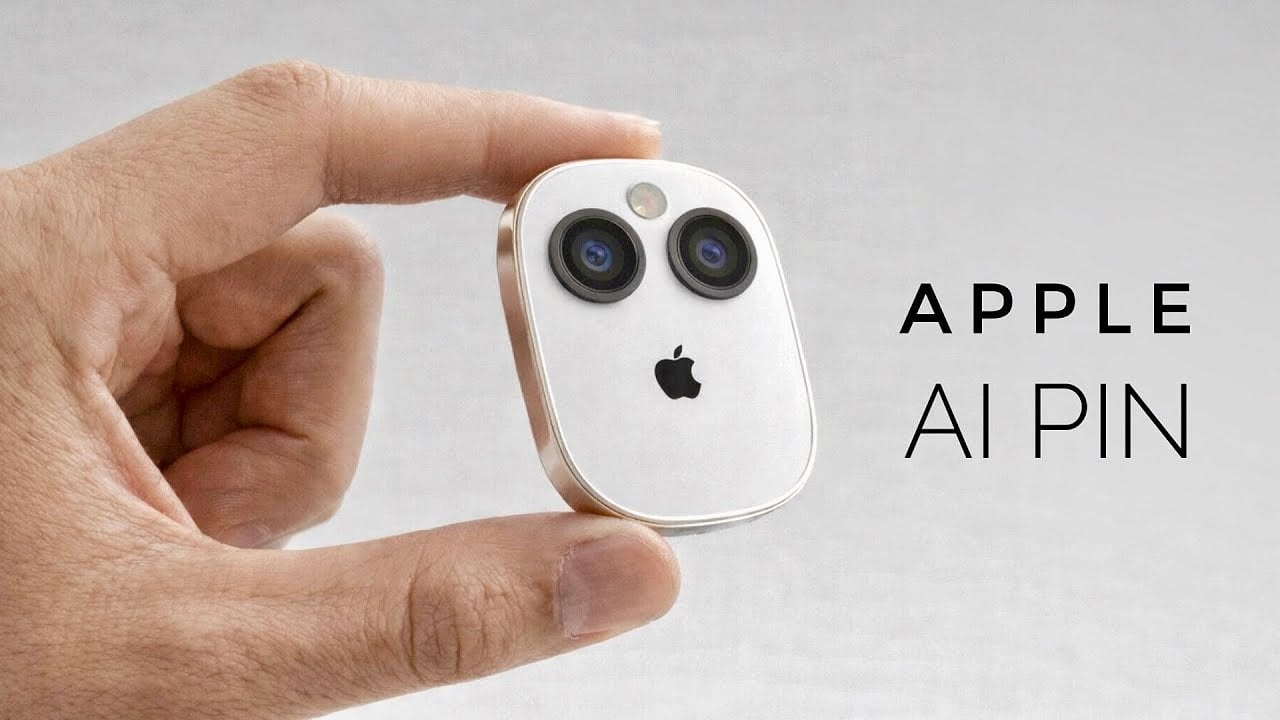
The most somber news of the day comes from Anthropic, a company that has long branded itself as the “safety-first” alternative to OpenAI. Mrinank Sharma, who led the safeguards research team at the firm, publicly resigned with a letter that quickly went viral. Sharma’s warning was stark, suggesting the world is “in peril” and lamenting how difficult it has become to let human values govern the speed of AI development. When the person in charge of the brakes decides to step off the train, it’s a moment that demands our attention. It suggests that the internal culture of even the most cautious labs is being subsumed by the relentless pressure to ship products.
The High Cost of Intelligence: Local Tools, New Wearables, and Silicon Valley Burnout
Today’s AI headlines reveal a striking tension between the push for powerful, local autonomy and the grueling human effort required to build the future. From the rise of open-source coding agents to a sobering look at the “996” work culture taking hold in tech hubs, it is clear that the AI revolution is reshaping both the software we use and the lives of those creating it.

The Silence of the Server Room: Why AI's Biggest Impact Today Was on Code
Today wasn’t a day for splashy, headline-grabbing announcements about new multimodal models or massive billion-parameter releases. Instead, the most fascinating news emerged from the world of software development, where artificial intelligence is quietly—and rapidly—redefining what it means to write code. If you want to know where AI is truly moving the needle right now, look no further than the developer experience.

The AI Infrastructure Battle: Why Apple Is Opening Up and Why Our Institutions Are Flooding
Today’s AI news cycle offers a stark contrast: on one hand, we see powerful tech giants making pragmatic concessions to integrate external AI into their ecosystems; on the other, we see evidence of generative AI overwhelming the very institutions designed to manage society. It feels like the technology is maturing rapidly, transitioning from a fun chatbot to critical—and sometimes corrosive—infrastructure.

The biggest corporate signal today came from Cupertino. Apple is reportedly planning to allow outside voice-controlled AI chatbots in CarPlay. This is a fascinating strategic pivot. For years, Apple has tightly controlled user interaction, primarily through Siri. Opening the vehicle interface to third-party AI—meaning you could presumably query a ChatGPT or Gemini through your car’s screen—signals that Apple recognizes the quality chasm between their own native voice assistants and the current generation of large language models. The future of the voice interface is clearly multimodal and multi-platform, and even the most restrictive ecosystem acknowledges it must play ball with the reigning AI powers if it wants to stay relevant in the vehicle.